

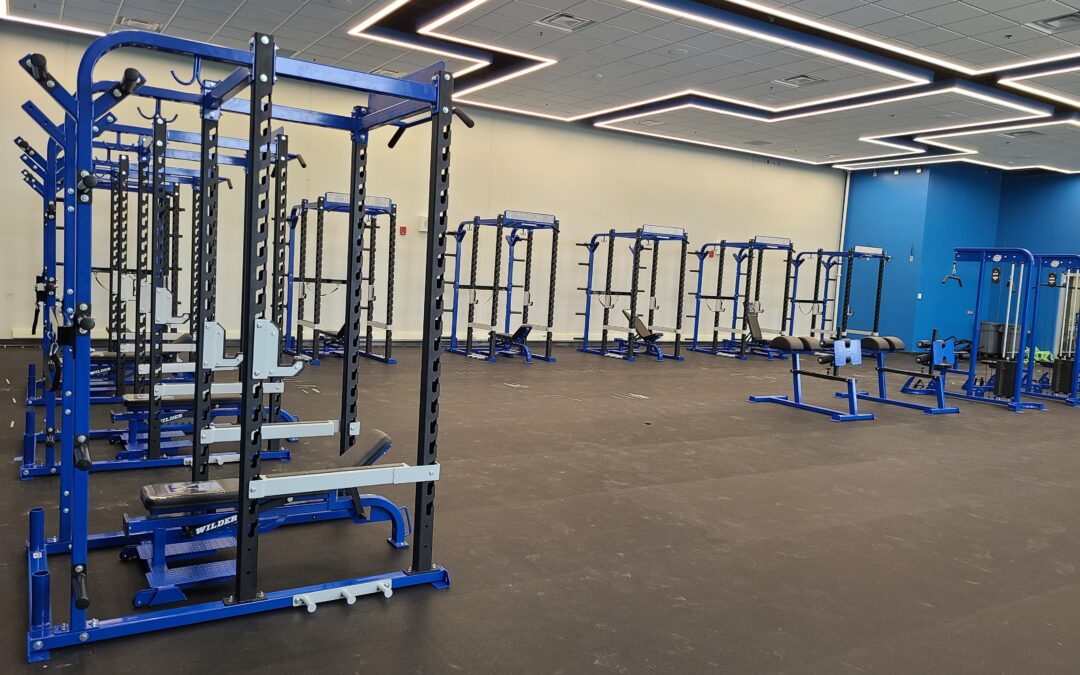
Commercial gyms demand flooring that can withstand heavy equipment, constant foot traffic, and repeated impact from free weights. Rubber flooring rolls are one of the most popular choices for fitness centers, training facilities, and athletic spaces because they provide durability, safety, and long term performance. Not all rubber rolls are the same, and choosing the right type is critical for both performance and lifespan.
| Type | Best Use | Shock Absorption | Durability | Cost | Odor Level |
|---|---|---|---|---|---|
| Standard Rubber Rolls | General fitness / cardio | Medium | Medium | Low | Medium |
| High Density Rubber Rolls | Free weights / high traffic | High | High | Mid | Medium |
| Vulcanized Rubber Rolls | Premium gyms / high wear | High | Very High | High | Low |
| EPDM Rubber Rolls | Aesthetic spaces / functional zones | Medium-High | High | High | Low |
Recycled Rubber Rolls
Recycled rubber rolls are the most commonly installed option in commercial gyms. They are typically made from SBR rubber derived from recycled tires and compressed into dense rolls.
Key benefits
- Cost effective for large spaces
- Durable under moderate to heavy use
- Good shock absorption and slip resistance
- Available in speckled and solid color options
Best use cases
- General fitness areas
- Cardio zones
- Selectorized equipment areas
- Training studios with moderate weight use
Recycled rubber rolls are a solid choice for gyms that need performance at scale while staying within budget.
Vulcanized Rubber Rolls
Vulcanized rubber rolls are heat cured during manufacturing, creating a denser and more uniform product. This process significantly improves durability and resistance to wear.
Key benefits
- Higher density and strength
- Better resistance to indentation and compression
- Longer lifespan under heavy traffic
- More refined, professional appearance
Best use cases
- High end commercial gyms
- Strength training areas
- Facilities with heavy daily use
- Gyms prioritizing longevity over upfront cost
Vulcanized rubber rolls are considered a premium option and are ideal for facilities that want maximum performance and minimal long term maintenance.
EPDM Rubber Rolls
EPDM rubber rolls are made from synthetic rubber known for its flexibility and color stability. These rolls are often used when design and aesthetics are important.
Key benefits
- Excellent color consistency
- UV and moisture resistance
- Comfortable underfoot
- Clean, modern appearance
Best use cases
- Boutique fitness studios
- Group fitness rooms
- Yoga and functional training spaces
- Facilities with design focused interiors
EPDM rubber rolls are less common in heavy free weight areas but work well in controlled training environments.
High Density Rubber Rolls
High density rubber rolls are engineered with increased compression resistance. They may be recycled or vulcanized but are manufactured to withstand heavier loads.
Key benefits
- Superior impact resistance
- Reduced floor compression under equipment
- Improved sound and vibration control
Best use cases
- Free weight zones
- Powerlifting areas
- Facilities with squat racks and heavy machines
These rolls are ideal when protecting the subfloor is a top priority.
Smooth vs Textured Rubber Rolls
Rubber rolls are available in smooth or textured finishes, which affect both appearance and performance.
- Smooth surface rolls
- Easier to clean
- Sleek, professional look
- Common in cardio and studio areas
Textured surface rolls
- Enhanced slip resistance
- Better traction when wet
- Preferred in weight training zones
- Thickness Options for Commercial Gyms
What Thickness Rubber Roll Flooring Do You Need?
Choosing the correct thickness is just as important as selecting the rubber type.
Rubber roll flooring thickness for gyms depends on equipment type, impact level, and traffic, with heavier lifting areas requiring thicker flooring for protection and durability.
8 mm to 10 mm
Best for cardio equipment and light training
10 mm to 12 mm
Ideal for mixed use gyms and moderate weight areas
15 mm or thicker
Recommended for heavy lifting and free weight zones
Installation Considerations
Commercial rubber rolls are typically glued down to prevent shifting and ensure long term stability. Proper subfloor preparation is essential for a seamless installation and optimal performance.
| Flooring Thickness | Recommended Use | Concrete Protection | Noise Reduction |
|---|---|---|---|
| 3/8 inch | Cardio / light equipment | Low | Low-Medium |
| 1/2 inch | Mixed use / daily traffic | Medium | Medium |
| 3/4 inch | Free weights / racks | High | High |
| 1 inch+ | Olympic lifting / heavy drops | Very High | Very High |
Get a FREE Estimate Today
Selecting the right type of rubber roll flooring depends on how the gym is used, the equipment involved, and long term performance goals. Recycled rubber rolls offer cost effective durability, vulcanized rubber provides premium performance, and EPDM rolls deliver design flexibility. Matching the rubber type and thickness to each training area ensures safety, longevity, and a professional gym environment.
If you are in Illinois, call or text Assembly and Repair, Inc. to learn what we recommend for your rubber flooring project.
| Construction | Pros | Cons |
|---|---|---|
| Crumb Rubber | More affordable, widely available | Less consistent density, shows wear sooner |
| Solid Rubber | Uniform density, better long term performance | Higher cost, heavier |
What thickness is best for heavy weights?
For heavy free weights and power racks, 3/4 inch rubber flooring is recommended. Olympic lifting areas often require 1 inch or thicker flooring.
Is thicker rubber flooring worth the cost?
Yes. Thicker flooring reduces impact damage, extends floor life, and protects concrete subfloors, which helps avoid costly repairs.
Can different thicknesses be used in the same gym?
Yes. Many gyms zone their flooring by activity to balance performance and budget while maintaining safety.
Does rubber flooring thickness affect noise?
Thicker rubber flooring significantly reduces noise and vibration, especially from dropped weights.
Recent Comments