

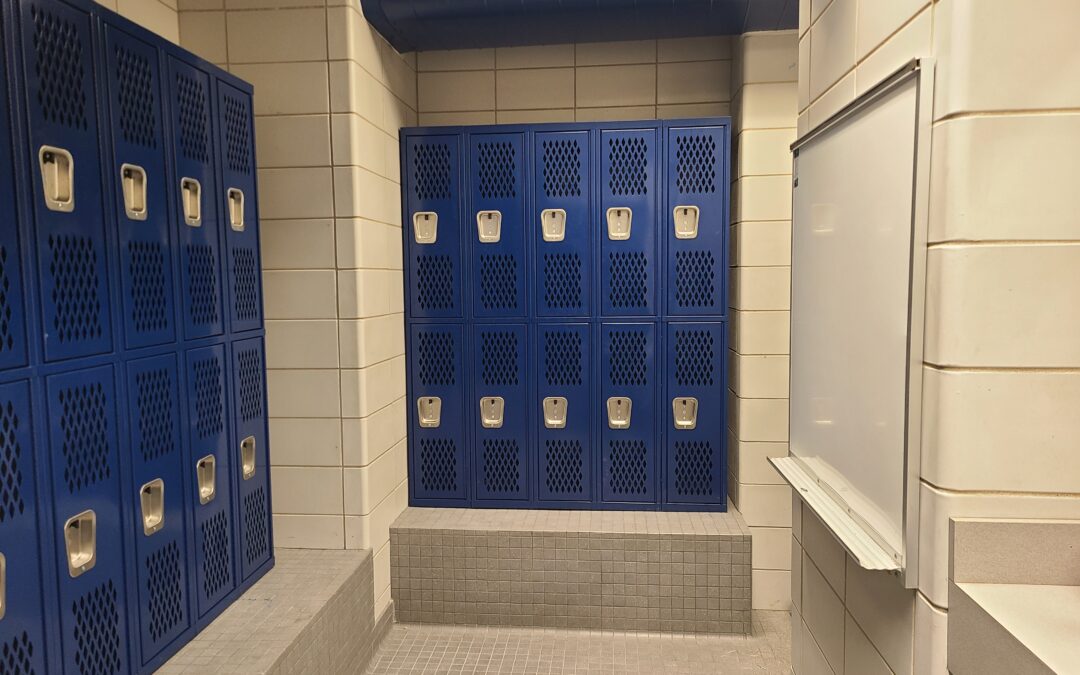
Best Materials for Gym Lockers: Metal vs Plastic and Standard Locker Dimensions
Choosing the right gym lockers is an important decision for fitness centers, schools, recreation facilities, and athletic programs. Locker material affects durability, maintenance, security, and long-term cost. In this guide, we break down the best materials for gym lockers, compare metal vs plastic lockers, and outline standard locker dimensions to help you select the right option for your facility.
Common Gym Locker Materials
Most gym lockers fall into two main categories: metal lockers and plastic lockers. Each material offers distinct advantages depending on your environment, budget, and usage level.
Metal Gym Lockers
Metal lockers are one of the most common locker types used in gyms, schools, and athletic facilities.
Advantages of Metal Lockers
-
Durable and impact resistant
-
Cost effective for large installations
-
Professional and traditional appearance
-
Available in many sizes and configurations
-
Easy to customize with locks and vents
Drawbacks of Metal Lockers
-
Can rust in humid or wet environments
-
Louder when opening and closing
-
Requires regular cleaning to prevent corrosion
Metal lockers are best suited for dry locker rooms, school gyms, and facilities with moderate moisture control.
Plastic Gym Lockers
Plastic lockers are typically made from high density polyethylene (HDPE) and are increasingly popular in modern gym and aquatic environments.
Advantages of Plastic Lockers
-
Waterproof and rust resistant
-
Ideal for humid, wet, or poolside areas
-
Quieter than metal lockers
-
Easy to clean and maintain
-
Resistant to dents, scratches, and corrosion
Drawbacks of Plastic Lockers
-
Higher upfront cost
-
Fewer color and design options depending on manufacturer
Plastic lockers are ideal for health clubs, aquatic centers, locker rooms with showers, and high humidity environments.
Metal vs Plastic Gym Lockers: Which Is Better?
| Feature | Metal Lockers | Plastic Lockers |
|---|---|---|
| Cost | Lower upfront | Higher upfront |
| Moisture Resistance | Moderate | Excellent |
| Durability | High | Very high |
| Noise Level | Louder | Quieter |
| Maintenance | Moderate | Low |
| Best For | Dry areas | Wet or humid areas |
For dry environments, metal lockers offer excellent value. For wet or high humidity spaces, plastic lockers provide longer lifespan and lower maintenance costs.
Standard Gym Locker Dimensions
Locker dimensions vary depending on user needs and available space. Below are the most common standard sizes.
Single Tier Lockers
-
Width: 12 to 18 inches
-
Depth: 15 to 24 inches
-
Height: 72 inches
Best for full size storage including bags, clothing, and athletic gear.
Double Tier Lockers
-
Width: 12 to 18 inches
-
Depth: 15 to 24 inches
-
Height: 72 inches total
Each compartment is stacked vertically and ideal for high traffic gyms.
Triple Tier Lockers
-
Width: 12 inches
-
Depth: 15 to 18 inches
-
Height: 72 inches total
Great for saving space while still offering secure storage.
Day Use or Half Height Lockers
-
Width: 12 to 18 inches
-
Depth: 15 to 18 inches
-
Height: 36 inches
Common in fitness centers and short-term use facilities.
Athletic and Equipment Lockers
-
Width: 18 to 24 inches
-
Depth: 18 to 24 inches
-
Height: 72 inches
Designed to store sports equipment and larger gear.
How to Choose the Right Gym Lockers
When selecting lockers for your gym or facility, consider:
-
Environment and moisture levels
-
Daily usage volume
-
Storage needs of users
-
Available floor space
-
Budget and long-term maintenance
Working with a professional installer ensures lockers are properly sized, securely installed, and compliant with safety and accessibility standards.
Get a Quick Quote
Both metal and plastic gym lockers offer excellent solutions depending on your facility’s needs. Metal lockers provide affordability and durability for dry environments, while plastic lockers deliver superior moisture resistance and long-term value in wet areas. Understanding standard locker dimensions helps you maximize space and functionality while creating a clean, organized locker room.
If you need help selecting or installing gym lockers, consulting with a professional ensures the best results for your space and users.
Recent Comments