


Batting Turtle vs Traditional Batting Cage: What Is the Difference?
A batting turtle is a portable, semi enclosed hitting system used directly on the field. A traditional batting cage is a fully enclosed, permanent or semi permanent structure designed for repeated training sessions.
The right option for your Illinois team depends on space, budget, frequency of use, and whether you need a permanent training environment.
What Is a Batting Turtle?
A batting turtle is a curved or arched portable frame with netting that protects players and coaches during batting practice.
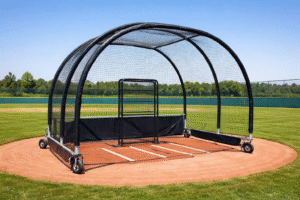
When Do Illinois Teams Use Batting Turtles?
Batting turtles are commonly used for:
-
On field batting practice before games
-
Youth leagues and travel teams
-
Temporary field setups
-
Programs without permanent training facilities
Because they are portable, batting turtles work well for teams that practice at multiple parks or shared athletic fields throughout Illinois.
What Is a Traditional Batting Cage?
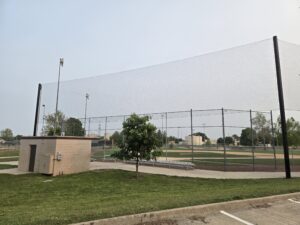
A traditional batting cage is a rectangular, fully enclosed hitting structure typically installed indoors or outdoors.
These cages are commonly found at:
-
Illinois high schools
-
Indoor training facilities
-
Baseball academies
-
Park district sports complexes
They allow for pitching machines, repetitive drills, and year round practice.
Which Option Is Better for Illinois Weather?
Illinois weather plays a major role in the decision.
Batting Turtle and Weather
Batting turtles are:
-
Best used in spring and summer
-
Not ideal during high winds
-
Limited during cold weather months
Traditional Batting Cage and Weather
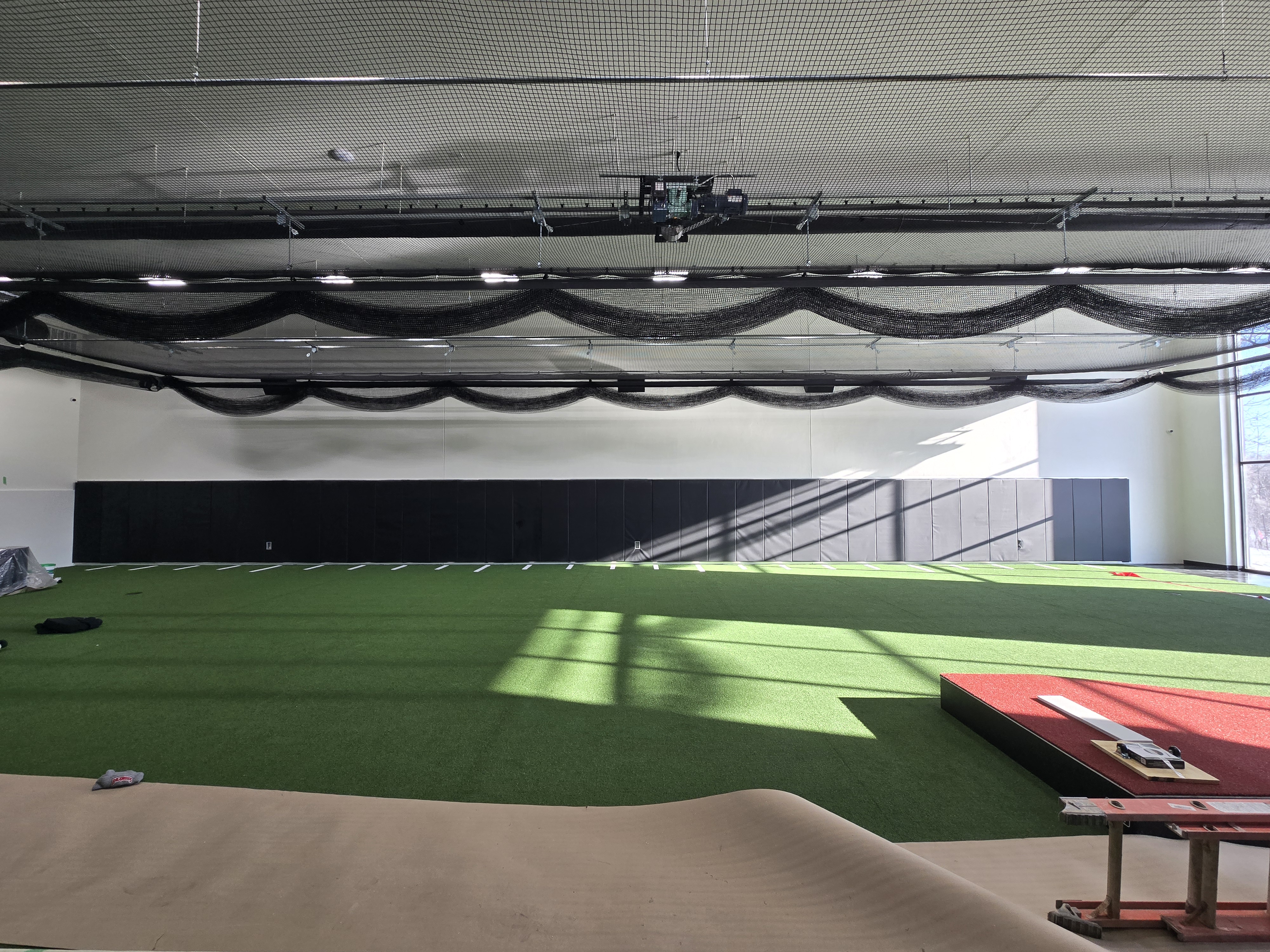
Permanent cages, especially indoor systems, allow for:
-
Winter training
-
Year round development
-
Protection from wind and rain
If your Illinois team wants off season development, a traditional batting cage offers more flexibility.
How Much Space Do You Need?
Batting Turtle Space Requirements
-
Requires open field space
-
Portable and movable
-
No permanent foundation
Traditional Batting Cage Space Requirements
-
Typically 35 to 70 feet long
-
Requires designated area
-
May require concrete footings or anchoring
-
Indoor facilities require adequate ceiling height
If your Illinois facility has limited permanent space, a batting turtle may be more practical.
What Is the Cost Difference?
Batting Turtle Cost Range
-
Lower upfront cost
-
Minimal site preparation
-
Portable equipment investment
Traditional Batting Cage Cost Range
-
Professional installation recommended
-
May include turf, lighting, padding, pitching machines
While batting turtles are more affordable initially, traditional cages often provide better long term value for programs with consistent use.
Which Option Is Safer?
Safety depends on installation and proper setup.
Batting turtles require secure anchoring to prevent tipping during windy Illinois days.
Traditional cages require:
-
Proper structural anchoring
-
High quality netting
-
Adequate clearance zones
-
Compliance with facility standards
Professional installation significantly improves long term safety and durability.
Which Is Better for Player Development?
Choose a Batting Turtle If:
-
You practice mainly outdoors
-
You need portability
-
You have shared field access
-
You want a lower initial investment
Choose a Traditional Batting Cage If:
-
You need year round training
-
You use pitching machines regularly
-
You operate a school or training academy
-
You want high repetition, controlled practice
For Illinois high school programs and indoor facilities, traditional batting cages typically offer stronger long term development benefits.
Batting Cage Installation in Illinois
Proper measurement, anchoring, and material selection are critical for durability in Illinois climates.
Assembly and Repair provides professional batting cage installation services throughout Illinois. Whether you need a portable batting turtle solution or a fully installed traditional batting cage, we help evaluate your space, training goals, and budget.
Contact us to discuss your batting cage installation project in Illinois.
What thickness is best for heavy weights?
For heavy free weights and power racks, 3/4 inch rubber flooring is recommended. Olympic lifting areas often require 1 inch or thicker flooring.
How much do gym floor installers cost?
Is thicker rubber flooring worth the cost?
Yes. Thicker flooring reduces impact damage, extends floor life, and protects concrete subfloors, which helps avoid costly repairs.
Can different thicknesses be used in the same gym?
Yes. Many gyms zone their flooring by activity to balance performance and budget while maintaining safety.
Does rubber flooring thickness affect noise?
Thicker rubber flooring significantly reduces noise and vibration, especially from dropped weights.
Recent Comments